
Okay, so check this out—when I first dipped my toes into Solana’s staking ecosystem, I thought, “How hard can choosing a validator be?” Pretty straightforward, right? Just pick the one with the highest rewards or the coolest name. Well, nope. Something felt off about that approach real quick. Validators aren’t just numbers on a leaderboard; they’re the backbone of your staking security and DeFi experience. Honestly, this part bugs me because a lot of folks treat validator choice like picking a pizza topping.
Here’s the thing. Validators vary wildly—not just in performance, but in trustworthiness, commission rates, and even their community engagement. At first, I skimmed through the usual stats—uptime, APY, you name it. But then I realized, some of these numbers don’t tell the whole story. On one hand, you want maximum returns, but on the other, you don’t want to risk your stake with a validator that might go offline or worse, behave maliciously. Really?
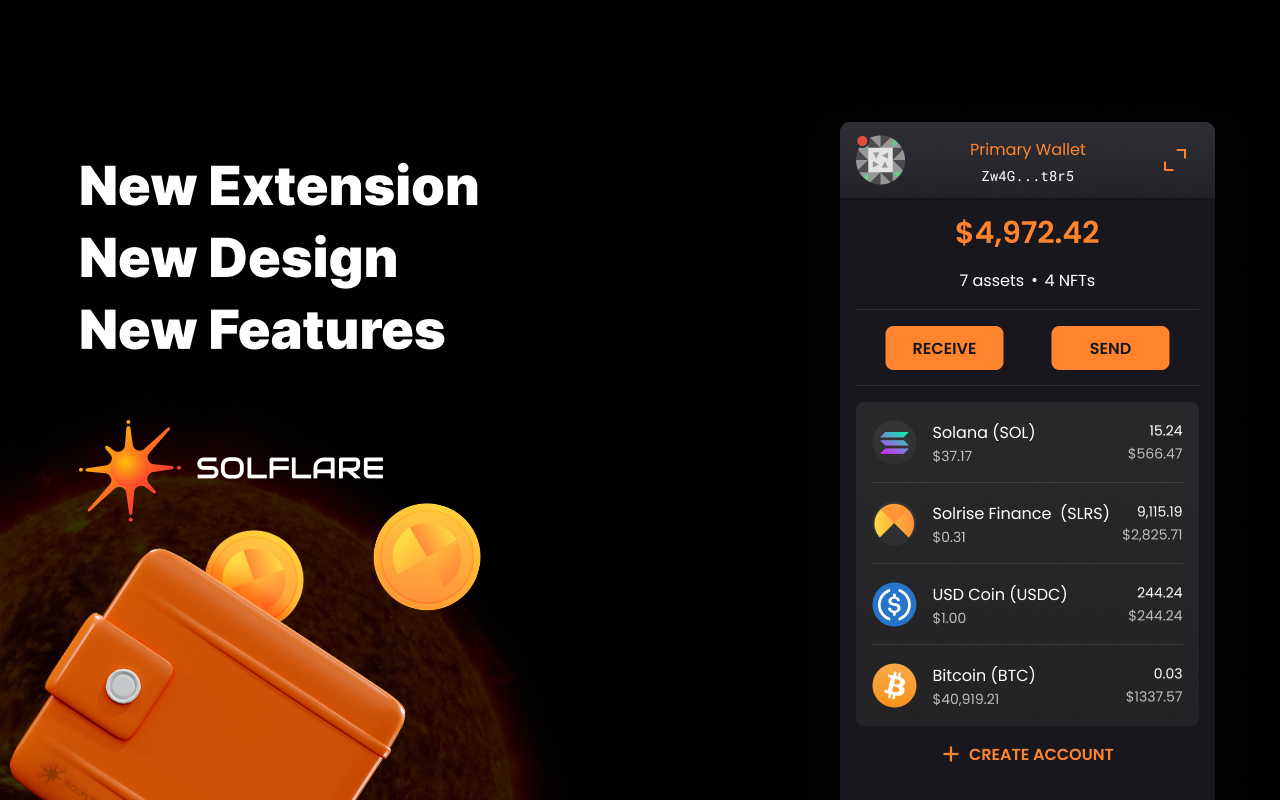
My instinct said: dig deeper. So I started poking around, reading about validator reputations, their history in the network, and how they engage with DeFi protocols on Solana. This is where the solflare extension came into play for me. Not just as a wallet, but as a handy tool that integrates staking and DeFi interactions seamlessly. It’s like having your crypto Swiss Army knife right in your browser.
Whoa! That made me rethink everything. I wasn’t just clicking “delegate” blindly anymore. Let me walk you through how this all shook out for me.
Choosing validators isn’t just a numbers game—it’s a relationship, almost. You want someone reliable, transparent, and active in the community. But wait—what about their commission? Initially, I thought the lowest commission was always best. Actually, wait—let me rephrase that: a low commission is nice, but if the validator cuts corners or has frequent downtime, you’ll lose way more in the long run.
Why Validator Selection Matters More Than You Think
So, validators run the network, right? They confirm transactions, produce blocks, and keep everything honest. If your validator misbehaves, your stake might be slashed or your rewards delayed. I saw some newbies delegate to validators without any background check—big mistake. It’s like trusting a buddy with your car keys without knowing if they’ve ever taken driving lessons.
One time, I delegated to a validator that had a great reputation but then went offline for several days. My rewards stalled, and the whole process felt clunky. That’s when I realized uptime stats alone don’t cut it. Some validators update their nodes more frequently, participate in governance, and even contribute to Solana’s ecosystem development. Those are the folks I want backing my stake.
But seriously, how do you find these reliable validators? This is where tools like the solflare extension shine. It gives you real-time data, easy staking management, and access to DeFi protocols without hopping between apps. Super convenient, especially when you’re juggling mobile and desktop wallets.
Something else I noticed: a lot of DeFi apps on Solana rely heavily on well-performing validators. So if your validator is sketchy or unstable, it can mess with your DeFi experience—delayed transactions, failed swaps, you name it. That’s why validator choice indirectly affects your DeFi game, too.
DeFi on Solana: The Mobile App Angle
Now, I’m biased, but mobile DeFi on Solana still feels a little rough around the edges. There’s a huge difference between desktop wallet extensions and mobile apps in terms of user experience and security. The solflare extension is great for desktop users wanting that extra layer of control and quick access to staking features, but the mobile apps—well, they’re catching up.
Here’s what’s tricky: mobile wallets often have to balance security with convenience, which sometimes means fewer features or clunkier interfaces. I ran into a few hiccups trying to stake using mobile apps that didn’t have full validator analytics baked in. It’s frustrating, especially when you want to make quick moves in DeFi.
On the flip side, having a solid desktop extension like Solflare lets you dive deeper—like seeing detailed validator stats, managing multiple accounts, and even interacting with complex DeFi protocols right from your browser. That control makes a big difference, especially if you’re serious about maximizing staking rewards without risking your tokens.
But hmm… I’m not 100% sure if everyone needs that level of control. For casual users, mobile might be fine. Still, if you want to get serious about validator selection and DeFi participation, tools like the solflare extension give you an edge that mobile apps sometimes lack.
The Balancing Act: Security, Convenience, and Rewards
Here’s the crux of it. You want your staking setup to be secure but also easy enough that you don’t get lost in the weeds. I’ve seen people chase the highest APYs only to lose out because they picked unreliable validators or used sketchy DeFi apps. That’s like going after the biggest fish without a proper rod.
Validator commissions vary, for sure, but I found myself willing to pay a bit more if it meant less risk and better uptime. Plus, some validators reinvest in the community or sponsor Solana projects, which feels like supporting the ecosystem rather than just chasing profits. That’s a personal bias, I admit.
Using the solflare extension, I can easily switch validators if I spot red flags or if a better opportunity comes along. This flexibility really helped me sleep better at night knowing I wasn’t locked in.
And here’s a fun tidbit: some validators have unique perks—like exclusive airdrops or governance voting power—that aren’t obvious from the outside. So if you dig a little, you might find extra benefits beyond staking rewards. Who knew?
I guess the takeaway is that staking and DeFi on Solana aren’t just plug-and-play. You gotta be a bit of a detective, a community participant, and sometimes a gambler. But with smart tools like the solflare extension, you’re better equipped to navigate the landscape without losing your shirt.
Still, I wonder where mobile wallets will be in a year or two—hopefully closer to matching the power of desktop extensions. Until then, I’m sticking with what gives me that blend of control and ease.
Anyway, if you’re staking on Solana (and who isn’t these days?), take a minute to vet your validator. Don’t just rush for the highest returns. Your gut might tell you to go fast, but sometimes slow and steady really does win the race.
Recent Comments